
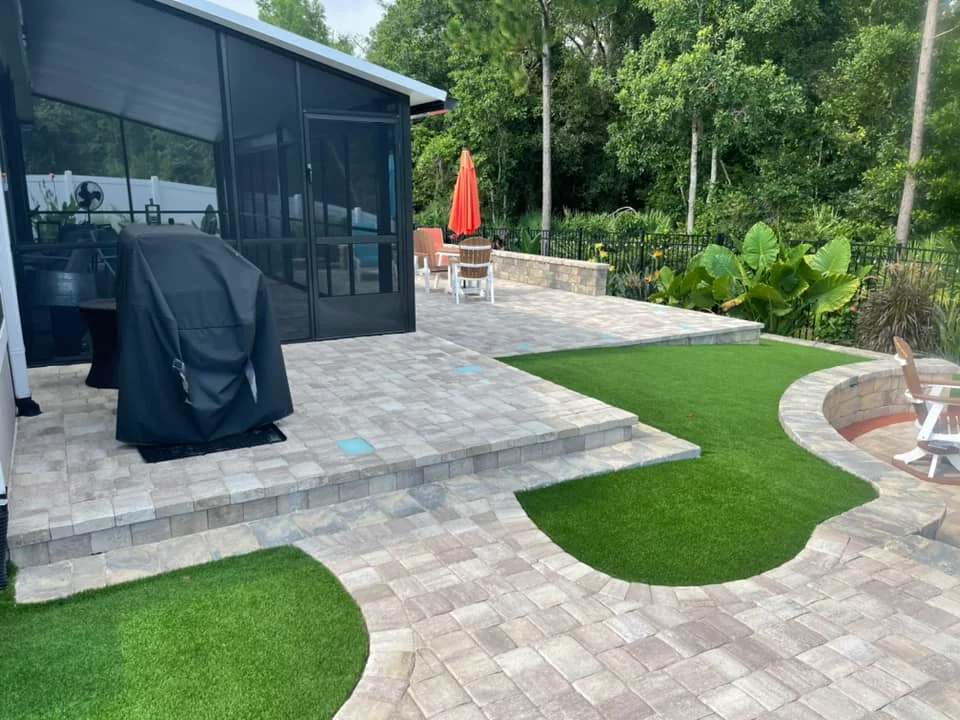
A beautiful patio can transform your backyard into a comfortable place for family gatherings, outdoor dining, and relaxation. However, choosing the right material is essential for creating an outdoor space that looks attractive and performs well in changing weather conditions. With professional patio design and installation services, homeowners can explore different materials and layouts to find an option that suits their property, lifestyle, and budget. Concrete, pavers, and natural stone each offer unique advantages, so understanding their differences can help you make the right decision.
Concrete Patios: Practical and Versatile
Concrete is a popular choice for homeowners who want a strong, functional, and customizable patio. It provides a solid surface for outdoor furniture, dining areas, grills, and other backyard features.
One major advantage of concrete is its design flexibility. Depending on the finish, homeowners can choose traditional brushed concrete, decorative stamped patterns, or different surface textures.
Benefits of concrete patios include:
- A clean and simple appearance.
- Flexible shapes and layout options.
- A suitable foundation for outdoor furniture.
- Decorative finishes that complement different home styles.
- A practical option for larger outdoor areas.
Concrete installation still requires proper ground preparation, reinforcement where appropriate, and suitable control joints. These steps help manage cracking risks, although no concrete surface is completely crack-proof.
For Texas properties, proper drainage and a well-prepared foundation are especially important because soil movement and changing moisture conditions can affect concrete surfaces.
Paver Patios: Flexible Design and Easy Repairs
Pavers are individual units made from materials such as concrete or brick that fit together to create a finished patio surface. They are available in different colors, shapes, sizes, and patterns, making them suitable for both traditional and modern outdoor designs.
One of their biggest advantages is that individual damaged or uneven units can often be removed and replaced without rebuilding the entire patio.
Benefits of paver patios include:
- Multiple patterns and design combinations.
- Easy replacement of individual damaged pavers.
- Flexibility when ground conditions cause minor movement.
- Attractive borders and decorative layouts.
- Options for permeable systems that help manage surface water.
Proper installation is essential. A stable base, suitable edge restraints, and correctly installed joint material help maintain the patio’s appearance and performance.
Pavers can be a good choice for homeowners who want a decorative surface with flexibility for future maintenance.
Natural Stone Patios: A Premium Outdoor Appearance
Natural stone offers a distinctive appearance because each piece has its own texture, color variations, and natural characteristics. Materials such as flagstone and other suitable outdoor stones can create an elegant patio that blends with landscaping and surrounding architecture.
Natural stone works particularly well in outdoor spaces where homeowners want an organic appearance rather than a uniform manufactured finish.
Benefits of natural stone include:
- Unique natural colors and textures.
- A premium and timeless appearance.
- Different shapes and layout possibilities.
- Compatibility with gardens, retaining walls, and outdoor seating areas.
- Durable options when the correct stone is selected and installed properly.
However, natural stone can require a higher initial investment depending on the material, availability, and installation complexity. Some stones also need sealing or additional maintenance.
Choosing a suitable stone for outdoor exposure is important, particularly in areas that experience strong sunlight and changing weather conditions.
Which Patio Material Is Best for Texas Weather?
Texas homeowners should consider heat, rainfall, drainage, and soil conditions before selecting a patio material.
Concrete can provide a durable surface when installed over a properly prepared base. However, poor drainage or ground movement can contribute to cracking.
Pavers offer flexibility because their individual units can accommodate some movement, and certain permeable systems can help manage rainwater. Their performance depends on the quality of the base and installation.
Natural stone can provide an attractive and durable outdoor surface, but the specific stone should be selected according to its suitability for heat, moisture, and outdoor use.
There is no single material that is best for every Texas property. The right choice depends on your yard’s layout, drainage requirements, budget, and preferred appearance.
Consider Your Budget and Maintenance Needs
Your budget should include more than the initial installation cost. Consider preparation, materials, labor, drainage improvements, finishing, and future maintenance.
Concrete may offer a straightforward design for homeowners who prefer a relatively uniform surface. Pavers can involve more detailed installation because each unit must be positioned correctly. Natural stone costs can vary significantly depending on the type of stone and the complexity of the layout.
Think about how much maintenance you are comfortable handling. Concrete may need occasional cleaning and crack repairs. Pavers may require joint-material maintenance and periodic leveling. Natural stone may need cleaning, sealing, or other care depending on its characteristics.
Requesting a detailed estimate helps you compare materials based on the complete project rather than the initial price alone.
Add Features That Make Your Patio More Comfortable
The right patio material is only one part of a successful backyard design. Additional features can make the space more useful and inviting.
Consider adding:
- Pergolas and patio covers: Provide shade and help improve comfort during sunny days.
- Outdoor kitchens: Create a convenient area for cooking and entertaining.
- Fire pits: Provide a gathering point for cooler evenings.
- Seating walls: Add practical seating while defining different patio zones.
- Outdoor lighting: Improve visibility and create a welcoming atmosphere after sunset.
- Landscaping: Connect the patio with garden beds, trees, and walkways.
American Outdoor also offers outdoor living enhancements, patio covers, and shade solutions that can complement a new patio design.
Why Professional Patio Installation Matters
Even high-quality materials can produce disappointing results when the installation is poorly planned. Ground preparation, grading, drainage, and material selection all influence how a patio performs over time.
A professional installation process typically includes evaluating the yard, planning the layout, preparing the base, selecting appropriate materials, and completing the surface installation.
Before construction begins, consider where rainwater will flow, how people will access the patio, and whether the design will connect naturally with existing outdoor features.
If your existing patio has cracks, uneven areas, or drainage problems, repair or restoration may also be worth considering before investing in a completely new surface